CHICAGO, August 25, 2026– U.S. stock futures edged lower on Monday amid a renewed technology sector decline, high government bond rates, and growing concerns about Iran amid an “economic D-Day” set by U.S. Treasury Secretary Scott Bessent against the Islamic Republic.
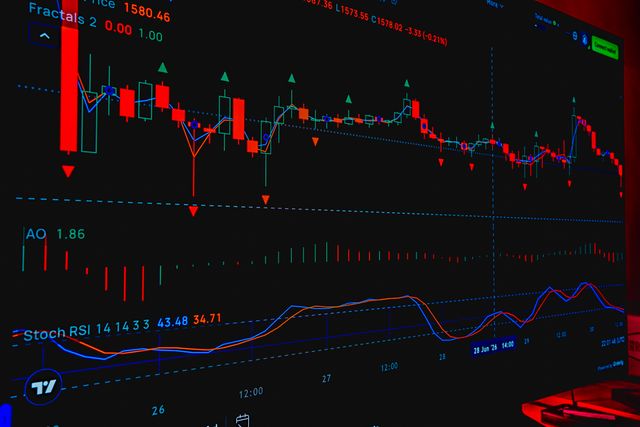
The Dow Jones Industrial Average futures were down by about 11 points, while S&P 500 and Nasdaq-100 futures were down by around 0.1% and 0.5%, respectively, with tech stocks under pressure. This comes on the heels of a volatile period for equities following a spike in the 30-year Treasury yield to about 5.3%, its highest level in nearly two decades.
Iran sanctions and market jitters
As Washington was about to impose comprehensive economic sanctions to isolate Iran economically and force it into negotiations regarding the six-month dispute and the control of the Strait of Hormuz, the market sentiment turned more negative. As reported by Bessent, the sanctions were called the “single greatest financial offensive ever” imposed on any rival and pointed to potential imposition of sanctions on countries and companies which would help Iran sell oil and finance itself through financial transactions.
The Treasury Department has imposed additional sanctions on 60 individuals, entities, and ships involved in the procurement of nuclear and missile technologies by Iran. In addition, the Department announced its plans to extend the scope of the secondary sanctions on five segments of the economy such as digital assets, gold, technologies, aviation, and the shipping industry. At the same time, the authorities stopped short of immediately sanctioning major Chinese financial institutions, while warning that countries must cut commercial ties with Iran or face consequences.
Iran has called the sanctions useless and threatened to impose retaliatory actions, which could include stopping shipments of Iranian oil out of the Persian Gulf and declaring the new sanctions as an act of war.
Bond yields, inflation data in focus
Yields at higher levels were putting pressure on risk assets as investors were skeptical that elevated inflation and political risks would hinder any potential monetary easing from the Fed. The Federal Reserve System has faced challenges in bringing inflation down to its targeted 2% level amid a widespread tariff structure and an escalation in tensions with Iran, where the more preferred measure of inflation, the Personal Consumption Expenditures Index, according to market expectations, is expected to be above 3% in July.
The upcoming PCE Inflation report for July compiled by the U.S. Bureau of Economic Analysis and the speech by the chairman of the Fed, Kevin Warsh, at the Jackson Hole symposium over the coming weekend were among the awaited events of the day. In the event of elevated inflation and/or the reluctance of the Fed to lower rates, there was room for higher yields and falling equity valuations, especially among technology stocks sensitive to rate changes.
Oil prices and risk sentiment
However, oil prices reflected mixed signals, falling as traders weighed the prospect of tougher sanctions against softer demand and ample supplies. The decline in crude offered some relief to bond yields but was not enough to offset losses driven by weakness in technology stocks and heightened geopolitical risk.
At this stage, market participants view the threat of sanctions as a kind of warning that will precede the period of “quiet diplomacy,” as no concrete decisions have been made yet. Nevertheless, a bearish sentiment in technology, higher yields, and geopolitical risks associated with Iran put Wall Street at risk of volatile moves this week.