
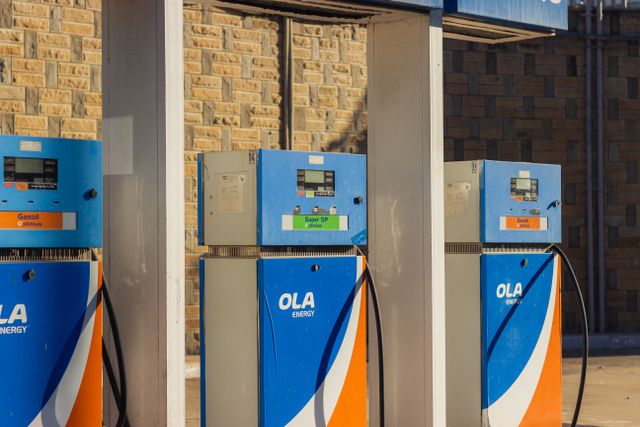
CHICAGO, October 5, 2026 – Drivers hitting the pumps lately didn’t need a degree in economics to know something was horribly off. Diesel costing more than £2 a liter in Britain, fuel costs soaring in Europe, and freight companies worried about their bottom lines.
Now, the world’s major economies are stepping in with a heavy hand.
G7 countries have reached an agreement to release as many as 100 million barrels of crude oil and refined oil products from their emergency stockpiles to ease soaring prices. The initiative will cover four months beginning with a hefty release of diesel in the first 20 days.
The move was preceded by delicate diplomatic bargaining. In particular, U.S. President Donald Trump warned his European allies about the potential ban on U.S. diesel exports unless those countries would release their emergency reserves of the fuel. The threat imposed by the United States would have caused a lot of trouble for the European buyers of this product because it is delivered via transatlantic shipping routes. Trump decided not to enforce his threat once the allies agreed to a joint release of the stocks.
Why the intense, immediate focus on diesel?
Whereas crude oil receives all the headlines, diesel is what drives the engines of the world’s economy day in and day out. It powers the transport, agriculture, and construction industries, among others. The recent trade issues, along with refining capacity issues, led to an acute shortage of middle distillates just when demand for global freight was rigid.
Analysts of the energy market see the combined announcement as an important buffer, but they note it is a solution only in the short term. Sourcing from emergency reserves is helpful for immediate liquidity in the tight physical markets, but it cannot address the underlying issues of the refining capacity constraints, shifting trades, or geopolitical tensions along important shipping routes.
Leveraging strategic reserves may provide immediate liquidity, but there will come a time when those barrels need to be replenished. For the end consumer and transportation sector, the next few weeks should provide some breathing room in the price at the pump. Whether that respite lasts depends on whether the supply disruption situation improves.