CHICAGO, August 25, 2026– US President Donald Trump on Monday asked the US government to offer political risk insurance and financial guarantees for maritime commerce moving through the Gulf region, while leaving open the possibility that Navy vessels could escort tankers through the Strait of Hormuz. The step, which was announced via Truth Social, is coming as part of the financial warfare being waged by Washington against Iran as Tehran increasingly threatens its closure, since the strait is an important oil passage.
Policy details and immediate aims
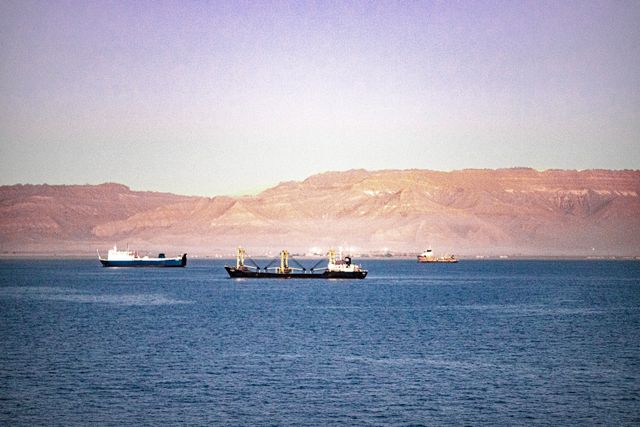
Trump said that the US International Development Finance Corporation, an agency of the government tasked with providing overseas investments, would be instructed to provide political risk insurance at “a very reasonable price” for oil tankers and commercial ships sailing in the Gulf area right away. Additionally, if required, the US Navy would begin providing escorts for oil tankers through the Strait of Hormuz. This is aimed at keeping the shipping lanes clear even though Iran continues to attack and threaten ships passing through.
The goal of this is to bring down the premium rates of war-risk insurance, which have been rising due to the ongoing conflicts, which have surged from pre-conflict baselines of 0.25 per cent to 5-10 per cent when the conflict is at its peak, according to industry figures. By guaranteeing this insurance, the United States hopes to ease the financial burden on the ships and increase their numbers, even as Iran implements a permitting and toll system and threatens detention or confiscation of any vessel violating it.
New sanctions and blockade enforcement
Parallel to the insurance provision, the US Department of the Treasury announced a sweeping campaign of economic sanctions to sever revenue streams tied to Hormuz maritime traffic. Treasury Secretary Scott Bessent noted that the new set of sanctions is designed to disrupt financial backing to the regime, focusing on cryptocurrencies, technologies, gold, the airline and ship industry, in addition to the oil sector. The sanctions are expected to hit dozens of entities, ships and individuals linked to the regime. US officials have asked their allies to apply the sanctions, calling it a part of an overall “crushing economic operation” against Iran.
At sea, US Central Command continues imposing a naval blockade against Iran-related shipping, saying that its forces have rerouted several commercial ships, incapacitated some and boarded other ships to ensure compliance. By late August, US forces had already rerouted 70 commercial ships, incapacitated three and boarded two vessels attempting to sail to or leave Iran’s ports without permission. Washington hinted at ending the blockade of Iran’s ports if there is an official agreement to resume commercial shipping unhindered.
Market and diplomatic context
This change in policy occurs after a 60-day window as per an agreement between the US and Iran, which expired on August 17th without any resolution, leaving the Strait of Hormuz operating with considerably lower levels of traffic. Tehran considers this agreement now defunct and insists on mandatory transit fees and environmental costs related to maritime operations, but Washington disagrees with these conditions, continuing with the escort convoys and blockade. Without the actual closure, the potential for harassment, delays, and fee differentials should keep war risks high for crude and LNG vessels.
Through the insurance cover and potential for navy escorts, the Trump Administration tries to provide some stability to maritime trading in the Gulf while applying more pressure on Iran through financial means.