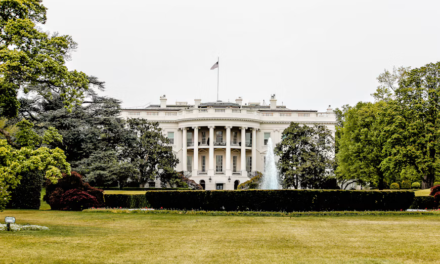
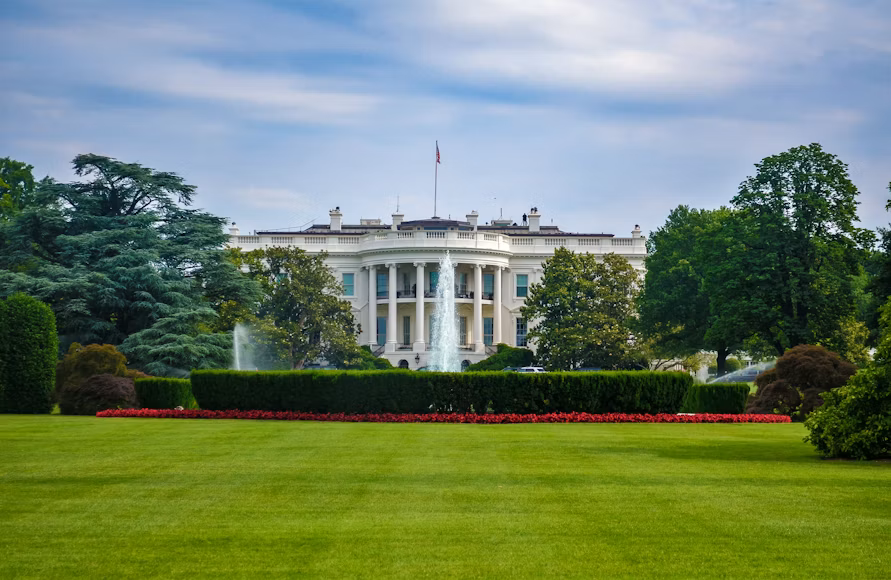
CHICAGO, Illinois, September 5, 2026 — After hearing the attempted delays over the weekend, the Supreme Court voted 54 Monday to let construction continue on Trump’s ballroom project at his new White House. The ruling reverses a lower court decision that had stopped above-ground work on the $400 million building. Chief Justice John Roberts joined the court’s three liberal justices.
What the Court Decided
The unsigned majority opinion suggested the National Trust for Historic Preservation probably lacked standing to sue. Justices did not decide whether the ballroom project itself is lawful. Roberts called the project “probably unlawful” in his dissent, writing that “The White House is not some ordinary building.”
The decision supersedes a temporary delay Roberts had granted days earlier in his purview over D.C. The ruling grants the administration an important procedural win even as the broader case is still ongoing. Legal experts said the ruling could allow construction to outstrip litigation entirely.
The Case Behind the Ruling
The D.C. Circuit panel voted 2-1 on August 7 to reject a lower court’s freeze on above-ground work. The panel said Congress never granted Trump authority to change the exterior of the White House. The White House, they said, is not owned by each new President but rather is a rental property.
Lawyers for the Justice Department said in rebuttal that the project serves as an “integrated military complex” providing security. They pointed to a few assassination attempts against Trump as a reason for the underground portions of the ballroom. It includes, according to reports, underground bunkers, hospitals and protection from drones and missiles.
How Far Along Construction Is
Justice Department filings showed that the project was about 65 percent finished at the time of the Supreme Court filing. Nearly 250 construction workers have been on-site almost around the clock to push the build forward. And it would seem to indicate major chunks could conclude long before the underlying lawsuit wraps up.
Trump hailed the ruling on Truth Social, deeming the ballroom one of the most significant structures ever built in Washington. The decision was clear, ‘without qualification, reservation or threat,’ he said of the project. The National Trust said it was still confident in its core legal argument despite the loss.
What Happens Next
But the construction will go ahead even while the underlying lawsuit plays out in lower courts. By that time, the project may all be mostly done but a future decision might determine it is still illegal. Historic preservation groups say they will continue to pursue the case — no matter how long it takes to build.
The White House did not define a specific project completion date. After disclosing this latest episode earlier in the week, congressional Democrats called for hearings on the ballroom’s funding and who was overseeing it. Official case dockets and orders are published on the Supreme Court of the United States site. Court records under the case are published through the Supreme Court’s public docket, which provides documents to members of the media.
Architectural historians warned that, with construction proceeding at such a rapid pace, the laws to review and approve these plans cannot keep up. Preserving historic national sites is advocated by the National Trust for Historic Preservation. The decision fits into a broader pattern of the court siding with the executive branch in emergency requests as they make their way through lower courts. Federal administrative policies are maintained at WhiteHouse.gov. However, once construction is completed, the outcome of the underlying case may have little practical effect.
Legal experts say the ruling highlights mounting friction between emergency appellate relief and full case review. Historical background on executive residences is curated by the White House Historical Association. The dissent by Roberts is yet another marker of institutional concern, however, despite the ruling by the majority. It will probably serve as a useful precedent for similar future executive branch construction disputes, the effort is underway.