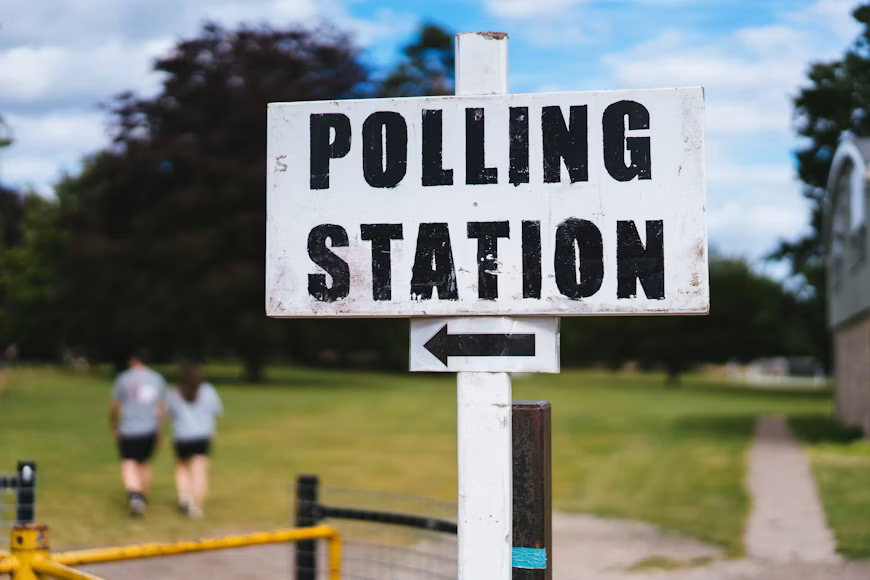
CHICAGO, Illinois, September 1, 2026 — On Monday, the nation’s top military officer said there are no plans for troops at polling places in November. The general, Dan Caine, wrote that in a letter to Democratic Sen. Elissa Slotkin of Michigan. The letter comes amid fears the military could be brought in to meddle with the midterms.
What Caine Said
Caine wrote in a statement received by news outlets Tuesday: “The Joint Force has no plans to employ Federal military or National Guard personnel at polling places during the 2026 elections.” “Similarly, the Joint Force is not planning to use the personnel as a way to confiscate ballots, voting machines or other election materials,” he added. Caine also claimed he has “not received nor expect to receive any illegal order in relation to the elections”.
The letter was also first obtained Monday by wire reporters who cover the exchange. Caine is chairman of the Joint Chiefs of Staff, serving as an advisor to both the defense secretary and the president. His remarks come as Democrats have raised concerns in recent weeks.
Why the Concern Arose
Slotkin had previously asked both Caine and Defense Secretary Pete Hegseth to pledge that troops would not be sent to the polls. She pointed to Trump’s past statements questioning the legitimacy of the 2020 election and comments regarding the use of the National Guard in other cases. In 2025, Trump ordered active-duty Marines into Los Angeles as part of an immigration enforcement operation.
“When you have been laying the groundwork” to cheat in the November results, according to Slotkin. She cited previous reports that Trump had contemplated using the military to take control of voting machines after his defeat in 2020. Those worries guided her official demand for the written assurance she received from military leaders.
The Legal Backdrop
Federal law prohibits the use of armed federal forces at election locations, except in cases “to repel armed enemies of the United States.” Most military claims in the election would likely be by National Guard units controlled by state governments. Under that legal framework, the president does not have direct control over polling place security across the country.
White House Chief of Staff Susie Wiles, who denied a plan to send troops into the streets to go after votes. She made the comments last year in an interview regarding similar scaremongering. The letter sent Monday builds on those earlier informal assurances with a formal military commitment.
Caine’s reaction was welcomed by Slotkin’s office as a substantive, if belated, commitment. Defense Secretary Hegseth has not issued his own public comment on the matter. Election officials across the nation are still working on security plans as they approach November midterms.
It does not cover other kinds of federal involvement, such as immigration enforcement close to polling locations. Democratic lawmakers say they will continue to watch for further statements from the administration as Election Day draws closer. General Information on Federal Election Security Roles is available in U.S. Election Assistance Commission Guidelines.
Civil liberties organizations hailed Caine’s letter as a notable counterbalance to executive overreach concerns. Having solid military commitments before Election Day is also said to minimize voters’ own confusion, state election officials say. Official military leadership policies can be reviewed via the U.S. Department of Defense. That exchange between Slotkin and Caine is likely to remain a topical part of ongoing oversight discussions.
Voting rights organizations say commitments in writing like Caine’s are a tool for helping build public confidence even before Election Day. Other Democratic lawmakers say they will continue to seek comparable assurances from other federal agencies, including the Federal Election Commission. The letter probably will be cited time and again during campaign season through November, with legislative oversight documented on Congress.gov.