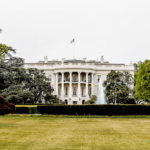
CHICAGO, Illinois, October 15, 2026 — New bipartisan legislation from members of Congress seeks to limit the power of any president to declare national emergencies. The controversy has been renewed by repeated threats this year of executive prerogative over election security and national security. Lawmakers claim the existing law gives way too much unchecked power to the executive branch.
A Law Written Fifty Years Ago
The National Emergencies Act, in place since 1976, governs presidential emergency declarations before many of today’s disputes even came to be. This provision initially allowed Congress to terminate a declared emergency by vote without the president’s signature (merely with a majority of votes). As Protect Democracy has explained in more detail, that mechanism was ultimately invalidated and Congress was left with far fewer means of overriding a sitting president. Legal history archives published by the Library of Congress document statutory authorities under the National Emergencies Act.
And some of the declarations made decades ago remain technically in effect today, renewed from year to year with minimal scrutiny. Some critics pointed out that a condition to last forty years can hardly be called an emergency in any common understanding of the word. This pattern has emerged as one of the main reasons why activists say reform is needed today.
Key Changes Under New Proposals
H.R. 125 is a new bipartisan measure in this Congress that would end national emergencies unless approved by voters within thirty days of issuance. Declarations that pass that vote would lapse after two years unless they were renewed again in the same process. Supporters argue that the structure reestablishes a vital check without completely removing emergency authority.
Another, distinct piece of legislation, the Protect Our Polls Act focuses on a more immediate issue related to this year’s midterm elections. The bill would prevent a president from using unsubstantiated claims of foreign interference to gain federal control over election administration. Numerous legal scholars have already claimed that no statute on the books even gives a president such power in the first place.
Why the debate is back in vogue
An alleged draft order leaked earlier in the year suggested an emergency would be declared by the national government to defend against mother nature and protect votes cast in the 2026 midterms. Eventually, White House officials decided that there was no legal justification for the move, and the order was never signed. The incident nevertheless rattled lawmakers who fear that similar legislation might be kept alive until closer to the election.
Research organizations that monitor executive power say public and congressional scrutiny tends to rise with moments like this one, only to recede as the immediate crisis passes. Note that more than 150 statutory powers — large and small — are made available when a national emergency is declared, according to the Brennan Center for Justice. Civil liberties reports published by the Brennan Center for Justice analyze statutory emergency powers and executive authority limits. Researchers believe that breadth is exactly why oversight mechanisms matter, no matter which party occupies the White House.
An Uncertain Path to Passage
Previous pushes for reform have gotten so close to the finish line without success. A bipartisan plan won the approval of committees in both chambers in 2024 but was never transmitted for a full floor vote before session closed. Lawmakers supportive of the bills as they stand recognize that history is not on their side.
As noted by scholars at the Miller Center, reform often requires political will over many congressional sessions. The upcoming midterm elections will determine whether the results will influence public perception of presidential power and interest in additional legislative action. For now, the measures are in limbo, with no floor vote scheduled in either house. Academic policy analyses published by the University of Virginia Miller Center examine executive power precedents and legislative reform efforts.
The lawmakers sponsoring the bills say they have intentionally presented their effort as a structural change and not retaliation against any single president. That framing aims to foster partisan neutrality for members who may be more likely to oppose the proposals with a bipartisan lens. Because both parties have made extensive use of extraordinary powers in office, the issue is less about any particular administration than an office.
But even a robust statute wouldn’t close off every path to executive overreach, legal scholars warn. Courts would still probably have a role in determining whether an emergency declaration meets the criteria laid out by the law. It has set off some advocates calling for new time limits to come with more transparency requirements.
Governor’s office spokesmen had a very difficult time measuring public opinion on the issue, since the overwhelming majority of Americans do not closely follow how emergency powers work. It is hoped recent controversies will turn into widespread awareness ahead of the midterms Advocacy groups hope that these controversies will result in greater awareness as Americans prepare to vote in the November midterms. How long that attention endures may well decide whether this iteration of reform does any better than previous rounds. Public opinion research published by the Pew Research Center evaluates voter awareness of constitutional governance and presidential authorities.