CHICAGO, September 11, 2026 – Walking into a Social Sciences Core course at the University of Chicago always felt like entering an intellectual arena. Starting in the 2026-27 academic year, students will walk into these classes with fewer screens—and more paper, discussion and pen-written notes.
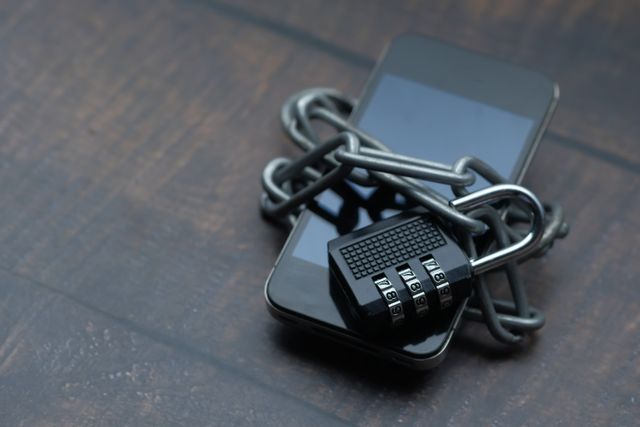
The university is officially taking its foundational Social Sciences Core (SOSC) sequences “analog.” Under new official guidance issued by the Social Sciences Collegiate Division, laptops, mobile phones, tablets, and wearable AI devices are banned during seminar hours. Instead of scrolling through PDFs, students will work exclusively with physical printouts and paper notebooks.
But the policy not only applies to the students; it also establishes new limits for the faculty. Within these particular Core classes, for example, professors typically aren’t allowed to use LLMs to grade students’ work. But whereas undergraduate students are limited to the “analog” model, professors have the right to design their own syllabus and can even incorporate AI into their lessons if necessary. According to SSCD Master Jenny Trinitapoli, the overall goal remains straightforward: “equip students to read, write, and think without dependence on AI.”
The policy change is the result of overwhelming faculty agreement within the division. Whereas the previous technology policies depended on the professor, the standard for the required coursework is now uniform, without the use of technology.
It is not an absolute ban, however, because faculty members may apply for waivers when it comes to activities such as reviewing data set tabulations, debugging code, or accessing online library resources.
This move mirrors a similar policy at the University of Chicago Law School, which recently prohibited laptops and phones in first-year classrooms to keep tech shortcuts from stunting analytical growth.
While laptops definitely allow students to take notes faster, they also distract immensely. It’s possible to appear to be paying attention to lectures while simultaneously jumping from class slides to an AI prompt generator. With this innovative decision, UChicago is taking an extreme chance: in an era of automation, critical thinking may simply require a return to basics.
Incoming freshmen better pack their highlighters.