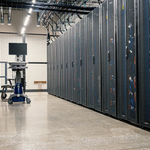

CHICAGO, Illinois, November 12, 2026 — The U.S. economy was able to grow rapidly in the third quarter of this year because many companies have invested heavily in building out their technology infrastructure. Analysts believe that this investment boom is due to a record-breaking amount of money being spent by corporations on developing data centers for artificial intelligence. Many areas throughout the country are experiencing construction booms as contractors build large data center facilities. Corporate balance sheets show a high level of optimism about how profitable advanced computing systems will be in the future. As a result of the continuous investment boom, economists have raised their expectations for total economic growth for the entire year. Indicators from the labor force indicate that jobs continue to be created steadily in both engineering and construction fields. Stock markets around the world continue to hit new highs, primarily due to the fact that technology companies reported earnings that exceeded analyst projections. Commercial real estate has also seen significant improvements, mainly because of the increased demand for data center space.
Data Center Infrastructure Boom
The massive increase of artificial intelligence applications has created a demand for both the physical infrastructure needed to operate them as well as the amount of electric power required to run the servers. This has led utility companies to scramble to update their electrical systems so that they can handle the load from the energy-hungry server farms. Real estate developers have been buying large amounts of land in rural and suburban areas to build campuses. Manufacturers of supply chain equipment are reporting record orders for high-performance cooling units and electrical transformers. Planning departments in many cities are streamlining zoning approval processes in order to attract the profitable technology investment. Environmental engineers have been working with technology companies to incorporate renewable energy into the design of these facilities. Capital spending has reached all-time highs in all of the major technology hubs. Cities where these types of facilities are located welcome the significant revenue that will come from the property taxes that these facilities will generate.
Technological Innovation and Productivity
The incorporation of Artificial Intelligence has transformed the ways in which operational processes occur in both the conventional manufacturing industry and the financial services sector. Adoption rates of enterprise software have increased dramatically due to organizations seeking to enhance their efficiencies by using automated systems. Budgets dedicated to research and development have grown to facilitate the deployment of proprietary machine learning models. Performance measurements have indicated significant enhancements in productivity in areas where there has been digital transformation. Venture capital financing has returned to robust levels after a period of economic stability. Semiconductor manufacturing companies are producing at maximum capability to provide the next generation of microchips required for advanced processing capabilities. Leaders from business communities have expressed that a company’s ability to respond quickly to new technology developments is crucial for maintaining a competitive edge. Institutions of higher education have adapted their curriculum to include new artificial intelligence engineering skills.
Macroeconomic Outlook and Risks
Growth rates are still very high; however, there is some concern from macroeconomists about whether or not we may see limits to capacity or if inflationary pressures may develop. The ability to find capital will depend upon the continued flow of venture funds into startups and how well companies perform financially. Regulatory agencies have begun preliminary investigations into both the reliability of the electrical power grid and the environmental effects that could be associated with increased use of electricity. There has been discussion among members of the Federal Reserve System as to what effect the boom in capital expenditures could have on inflation. Executives within the computer hardware industry believe that there will be long-term demand for computers for years to come. One major factor that will affect the ability of manufacturers to produce hardware is how resilient their global supply chains are. Many financial advisors are advising clients to maintain diversified portfolios while the computer hardware sector undergoes significant changes. Projections made by economists indicate that Artificial Intelligence (AI) will continue to drive economies for many years.