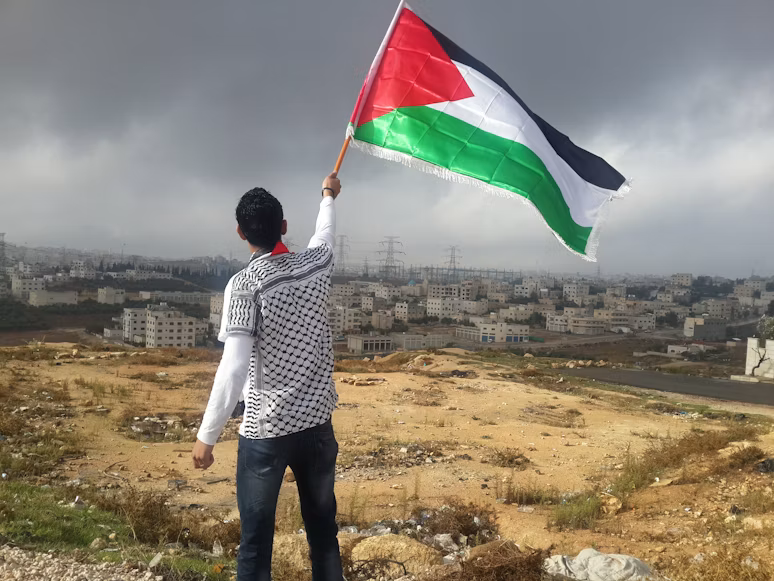
CHICAGO, Illinois, September 5, 2026 — On Friday, a federal judge declared the administration’s deportations of pro-Palestinian students were unconstitutional. The ruling was written by U.S. District Judge Noel Wise in San Jose, California. It takes aim at laws that have been used to scrap visas based on campus activism and criticism of Israel.
Unconstitutional Targeting of Free Speech
Wise described the way in which the State Department and Homeland Security had implemented immigration law as shameful. She stated that the agencies honed in on noncitizens for expressing opinions the government did not want made public. “That same strength,” she continued, “is undermined when members of our community… are forced to self-censor and ‘play nice.'”
Wise made clear that free speech protections are not limited to U.S. citizens, but apply to noncitizens as well. She referred to the government’s method as a clear threat to the pillars of democracy of our nation. It comes as part of a series of incidents where several court rulings have rejected the deportation policies set out by the administration.
Campus Lawsuits and Judicial Precedents
The suit resulted from actions taken starting in March 2025 against pro-Palestinian campus advocacy. The first of those moves came after authorities arrested Columbia University graduate Mahmoud Khalil. In a separate court, Khalil is battling his own deportation case.
The lawsuit was filed by Stanford University’s student newspaper, the Stanford Daily, in August 2025. According to the newspaper, fear was the reason behind self-censorship regarding a report on pro-Palestinian protests by its own writers. Lawyers argued two sections of the federal immigration law violated First and Fifth Amendment protections.
It comes on the heels of a ruling last year by Boston federal Judge William Young. Young also independently found that the administration unconstitutionally set its sights on pro-Palestinian academics. At least five federal judges have now rebuffed the administration’s attempts to deport in comparable cases.
Broader Legal Implications for International Students
In those cases, the academics included Mohsen Mahdawi, Yunseo Chung, Rumeysa Ozturk and Badar Khan Suri. They were all identified as targets after Secretary of State Marco Rubio said they would have been detrimental to foreign policy interests. Each time, courts ruled that the determinations constituted viewpoint discrimination.
These deportation efforts are now being put to the test at trial under a broader policy. That case is broader, as it challenges the legal framework itself and academic groups have intervened. That case could define whether the administration can take similar steps in the future.
The Justice Department has not said whether it will appeal the ruling Friday. The pattern of rulings, immigration attorneys say, creates a considerable legal liability for continuing the policy. U.S. Courts offer Constitutional speech protections to all individuals.
A series of rulings have recently been welcomed by civil rights groups such as the Foundation for Individual Rights and Expression as defenders of free expression. University administrators say the decisions give a measure of comfort to international students and faculty. The outcome of the larger trial could set a precedent for immigration enforcement policy long after these particular cases.
Students impacted by the earlier crackdown say the rulings provide some relief following months of uncertainty. Legal scholars characterize the sweep of decisions as an unprecedentedly uniform judicial slapdown. As the trial looms, this case is expected to remain both in local media and national spotlight.
Advocacy groups say the rulings are expected to inform strategy through resources like the National Immigration Project in similar cases throughout the country. International students say the moves have relieved some concerns about speaking freely on campus. The outcome of the trial could set a precedent on immigration enforcement based on political speech as highlighted by the American Civil Liberties Union for years to come.