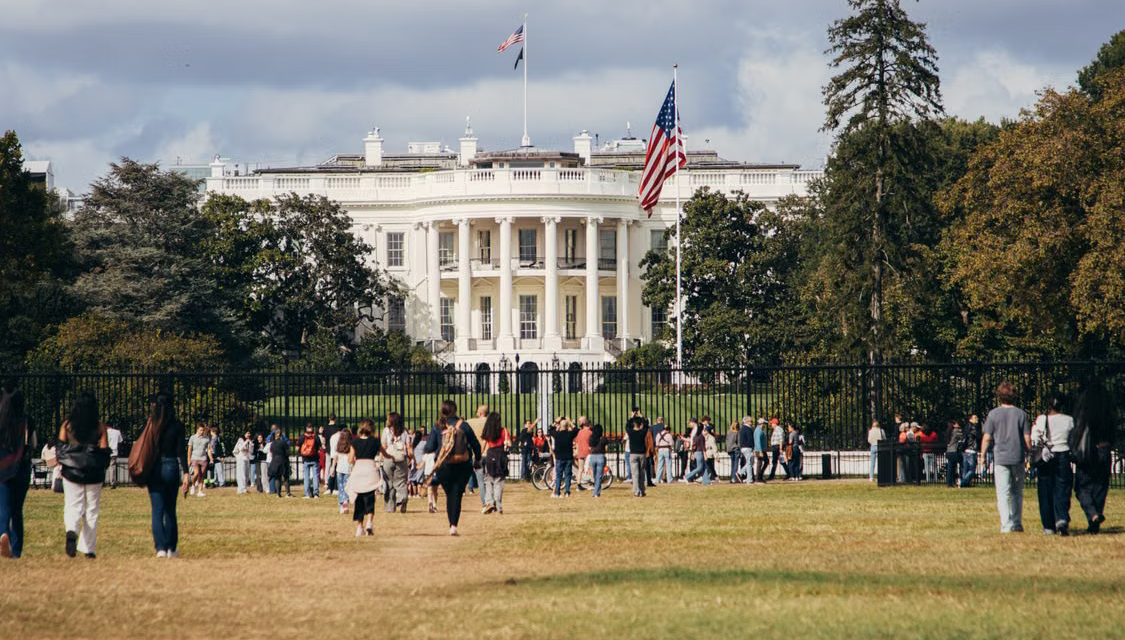
CHICAGO, Illinois, September 3, 2026 — Senior White House advisors are attempting to minimize public focus on ongoing military operations against Iran ahead of the November midterm elections. The administration’s messaging strategy faces growing pressure following an exchange of military strikes between U.S. and Iranian forces overnight.
Diplomatic Goals and Economic Sanctions
Administration strategists prefer to emphasize economic containment over direct military intervention. Washington continues to enforce a tight naval blockade in the Strait of Hormuz while preparing secondary sanctions against foreign entities doing business with Tehran. Analytical reports regarding regional military strategy are published by the Congressional Research Service. Iranian policy analysts note that Tehran has historically weathered extensive sanctions without altering its core defense posture.
Polling Pressure and Regional Dynamics
A national Reuters/Ipsos poll indicated that public approval for the military campaign stands at 31%, with 63% of respondents expressing disapproval amid elevated energy prices. The political blowback has alarmed vulnerable congressional incumbents. Nonpartisan geopolitical research regarding Middle Eastern diplomacy is conducted by the Council on Foreign Relations. White House officials privately acknowledge that economic pressure alone is unlikely to extract significant diplomatic concessions prior to Election Day.
Pause Risks and Defense Production Data
Treasury Secretary Scott Bessent warned that escalating economic sanctions could prompt additional direct military counterstrikes from Iran. Military analysts noted that a temporary operational pause would allow defense stockpiles to replenish depleted stocks of precision-guided munitions. Official figures on defense industrial capacity are published by the Government Accountability Office.
Public Opinion and Electoral Priorities
Pentagon planners continue formulating post-election operational contingencies based on Iranian movements. Historical data tracking public sentiment during foreign armed conflicts is archived by the Pew Research Center. For now, administration aides remain focused on maintaining messaging discipline to keep foreign policy concerns from overshadowing domestic economic proposals.