CHICAGO, September 7, 2026 – When the video clips were released by the military officials on Saturday, there was black smoke still pouring over the water, and they showed high-precision bombs being hurled directly into the superstructures of crude ships that were sitting in the water.
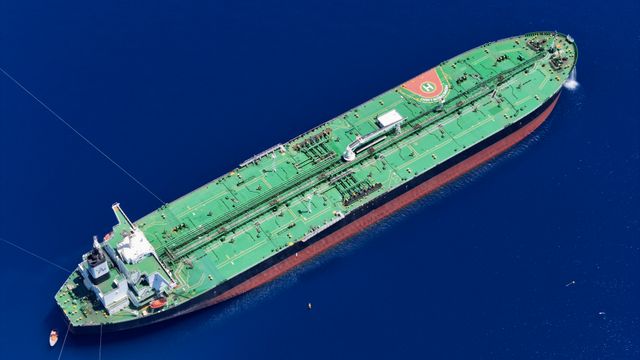
What the U.S. Central Command did in a targeted attack aimed at crippling the maritime logistics of Tehran was launch airstrikes which disabled the three Iranian oil tankers. The military operation didn’t come from thin air; the reason for the strike was the Iranian-supported launch of anti-ship cruise missiles against U.S. Navy vessels protecting vital shipping routes.
The reason this is important is that Washington just sent a very clear message to the Persian Gulf – if you fire upon our navy ships, we’ll stop your energy shipments.
These retaliatory attacks were directed against three ships that were directly engaged in the transport of oil for the Iranian government; thus, they were put out of commission without being sunk. Military experts observed that the destruction of the power and navigation of these ships is an effective method of accomplishing this strategic aim.
“Three of yours,” U.S. Navy Adm. Brad Cooper, commander of CENTCOM’s naval forces, posted alongside aerial reconnaissance footage documenting the strikes near Kharg Island and Jask, issuing an explicit warning to Tehran against further naval harassment.
This response comes after a number of incidents involving Iranian forces targeting guided missile destroyers within international waters. Although the air defense system of the Navy managed to stop the attacks without harming any of the American ships, it was decided that parrying hostile attacks would not be enough to end these aggressions.
Energy markets reacted almost immediately to these attacks, and energy traders became very concerned about the news regarding the three disabled tankers, pushing the Brent crude futures prices up by 3% because of their worries about possible supply problems in the Strait of Hormuz, which carries about 20% of world petroleum daily.
The catch is that while the military leaders are praising the military action, diplomats in the major cities of Europe are grinding their teeth. On one hand, the freedom of navigation needs to be enforced, but on the other hand, the risk of starting an uncontrolled regional war is always there. Tehran has been threatening to block commercial passage through the strait if its oil exports are blocked completely, and these attacks make it even closer to the threshold.
At the Pentagon, however, it was stated that the military operations had to be performed because of the defensive actions taken against the missiles fired at the ships. In the opinion of Central Command, though the US does not want to have open conflicts with Iran, American naval forces are entitled to defend themselves from the barrage of enemy missiles.
The question is whether the strong military reply will act as a deterrent to further hostile launches. For now, shipping firms are changing the routes for their ships, naval forces are on red alert, and there are three blackened tankers floating in the strait.