CHICAGO, September 23, 2026 – The wet weather conditions made the Manhattan streets slippery as the delegates jammed into various meeting rooms at hotels located on 42nd Street. However, on paper, Climate Week NYC 2026 had a lot of momentum, and it was supposed to bring world leaders, business executives, and grassroots activists to the city in large numbers.
Inside the venues, however, the mood felt decidedly more complicated.
As the press releases promise a trillion-dollar investment, the harsh truth is that numbers speak a different language. Financial experts and policy experts have admitted that there exists an ever-widening gulf between promises and money. It is one thing for a multilateral institution or a private fund to agree to a non-binding agreement, but an entirely different ballgame when it comes to actually writing the check.
As pointed out through the main events at the summit, even as green finance commitments increase in number, actual investment remains relatively low.
So, where’s the money getting stuck?
One of the sources of the friction is the rigid risk models and the regulations associated with them. The institutional investors, including the pension funds and the private equity funds that account for most of the world’s money, are reluctant to invest in large infrastructure projects in developing countries unless the projects are guaranteed by the government. The high interest rates have not been helpful in this respect either.
“Everyone wants to be seen at the microphone,” muttered one European renewable developer during a coffee break in Midtown. “When you ask them about de-risking a debt package for an African grid project? Silence.”
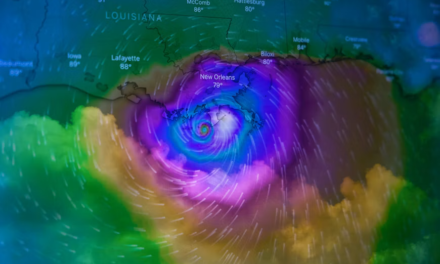
And this matters because rising global temperatures aren’t waiting around for corporate balance sheets to align.
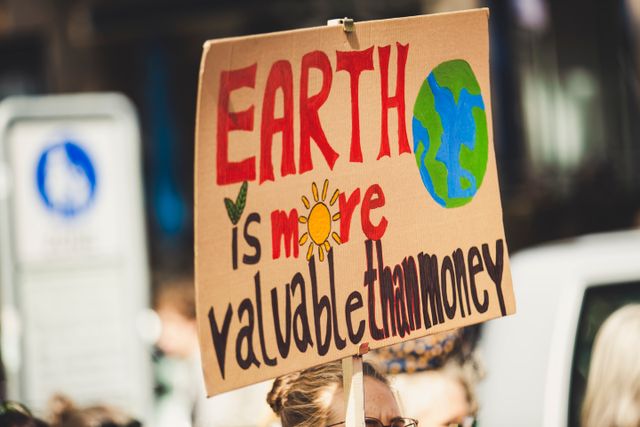
Apart from financial negotiations, activist groups from the local community have held silent protests outside the headquarters of some firms on Lexington Avenue. They were not interested in the complexities involved in financial tools or ESG reporting. They were concerned with the reality that after years of talking about these issues in New York City, people in these communities continue to suffer from the impacts of weather disasters without receiving compensation.
The challenge of navigating this disparity is not likely to be solved by one summit or promise alone. The resolution of the gap between deployment and commitment is going to require real de-risking, simplification of compliance across borders, and candid talk about who should take the first risks. Until money talks as fast as the rhetoric, it will continue to be only empty promises.