CHICAGO, November 2, 2026 – The student receives an email relating to his/her college funding and spots the term “data breach” before he/she freezes. For about 4.9 million people who are residents of Florida, this fear is now based on the alert issued by the Florida Department of Education.
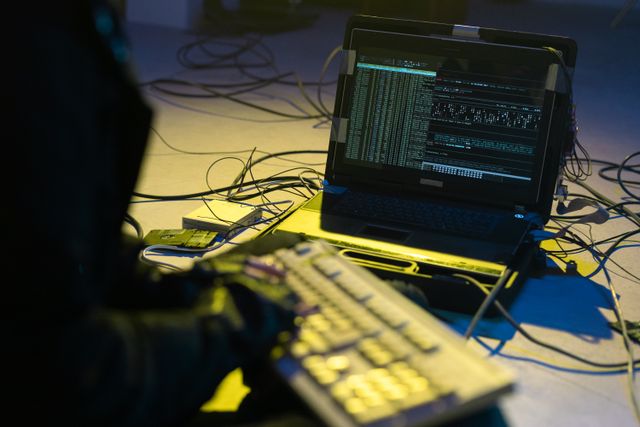
On October 29, the department announced that it had discovered unauthorized criminal access to data related to its Florida Student Financial Aid website. This was first discovered on October 19, and the department claims that it took immediate steps to curb the activity and secure its systems.
What may have been exposed?
The compromised information is precisely what a criminal would seek: name, Social Security number, date of birth, address, telephone number, email address, and gender code. The department estimates that as many as 4.9 million individuals could be affected; however, it has stressed that not all applications were necessarily breached and that different information was possibly released to the hacker.
This is quite vexing—but not surprising. No information has been provided as to how the criminal gained access to the system, whether the information has been posted online, or whether any actual fraud has ensued.
What the state is doing
The student financial aid website of the Florida Department of Education is now down as investigations and fixes are being done by the organization. They have informed Florida Attorney General Office about this issue under Florida notification laws regarding breaches and are also coordinating with Florida Digital Service and Florida Department of Law Enforcement.
It seems to be a contained situation according to officials, however, this does not mean it is a resolved situation. Further information would be provided once confirmed by the department.
Aid payments appear safe
Here’s the one piece of reassurance: the department claims that the present system of financial aid is not threatened. It doesn’t foresee any problems with delay in disbursing any funds or in paying for tuition. Also, there would be no threat to the scholarships, grants, and loans.
However, don’t mistake security in making payments with identity security. Just having the Social Security number along with date of birth and address can give access to impersonation, opening of fraudulent accounts, or sending very credible phishing letters.
What affected people should do
Those individuals who have filed applications for financial aid under the Florida Student Financial Aid program are advised to consider themselves vulnerable, and the department suggests that they regularly monitor any transactions on their bank and credit card statements as well as check their credit reports for anything unusual. They may consider applying for a fraud alert or a credit freeze.
The department advises being suspicious about any unexpected phone calls, messages, and emails from third parties that offer “assistance” with your financial aid application or account security issues. It was observed that criminals use this information to carry out a successful scam. The following email is available for queries: [email protected].
A broader warning
This hack highlights just how much sensitive information government websites keep—and how one single hack can affect millions. The agency has been transparent about its intentions, yet there is no word on the access point, the hacker, or the total number of people exposed.
For students and their parents, the first step is practical—check their accounts, freeze their credit, and not be fooled by any scare tactics. For the Florida authorities, the next step is proving that the system which keeps all of the most sensitive data about young people is secure enough to earn their trust.