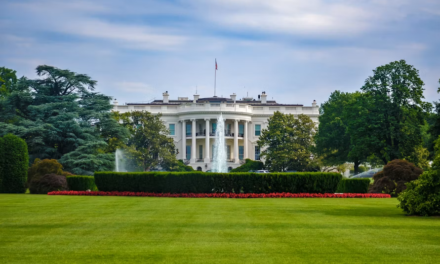
CHICAGO, Illinois, September 30, 2026 — This week, Americans were told by President Trump to not be afraid of AI but let corporations handle its dangers. The comments followed a discussion held by the White House with almost twenty leaders of the artificial intelligence industry. Those remarks came despite several of those same executives issuing public warnings about the perils posed by the technology.
A Voluntary Pledge, not a Law
During the meeting, according to a description from Trump, tech leaders signed a so-called “morally binding” agreement to incorporate safeguards in their systems. The document itself is not legally binding and does not impose a fine on companies that do not meet the expected standard. The agreement asks that every firm be held accountable for the safe creation of their tech, according to the White House.
House Speaker Mike Johnson said the deal is non-binding and that it constitutes a mutual statement of principles. Trump argued that eventually a committee of industry leaders could be in charge of enforcement, but specifics are scarce. The administration and the companies have also not said what would happen if a signer didn’t carry through.
Industry Leaders Send Mixed Signals
Many executives, including those from Nvidia, OpenAI and Anthropic signed the pledge at the meeting. Other large companies had previously signed an open letter urging the United Nations to create global safety standards for advanced AI systems. While their public warnings about catastrophic risk clashed with the more homogeneous, reassuring tone set at the White House.
Meta CEO Mark Zuckerberg referred to the deal as a good starting place for the wider industry — one that could be built upon in the future. Previous guidance from groups like the National Institute of Standards and Technology has advocated for outside audits and testing standards. The new agreement mentions comparable ideas, however doesn’t devolve them as binding obligations.
Critics Question Self-Regulation
The approach was dismissed by Senator Elizabeth Warren, who said that profit-seeking industries can’t be expected to self-regulate. Consumer advocacy groups sounded that alarm, likening the arrangement to letting companies assess their own safety tests. They say that voluntary standards hardly survive the return of market pressure to get moving.
Some policy analysts have pointed to the lack of success in previous voluntary technology agreements as a reason for skepticism over whether countries would keep their promises. Partnership on AI and others have discovered a chasm between the hallowed vows from companies and what actually happens behind closed doors. Backers of the deal counter that having some framework is preferable to none at all while formal legislation remains stalled in Congress.
Where Regulation Stands Now
There is no federal AI safety law and voluntary agreements are as good of a macro instrument (for oversight, i.e. FTX) as there is. Trump has expressed concern that formal regulation may hinder innovation and lose to foreign competitors. During his second term, that perspective has guided his administration’s preference for nonbinding guidance over enforceable rules.
Lawmakers on both sides of the aisle remain split over whether Congress should use legislation to intervene. Republicans differ on the extent of regulation, with some aligned with the administration in their caution and others pushing for tougher guardrails. Until Congress acts, corporate pledges will be the primary curb on how these potent systems are constructed and deployed.
Public opinion on the matter continues to be mixed, though much of America has been made anxious by the technology despite assurances from the Biden administration. Polls taken earlier this year have shown considerable public anxiety over job displacement and the potential abuse of AI-generated text. This week Trump seemed to be talking specifically about lowering those broader worries among the electorate.
The next few months will reveal if the voluntary accord actually leads to real changes among companies, industry insiders say. Individual commitments from dozens of signatories include pledges for internal audits and bigger safety teams. The extent to which those pledges translate into meaningful action will shape the next era of AI regulation, experts said.
For the moment, though, the administration is sticking with its own course — opting for partnerships with industry rather than new legal requirements. But critics say the approach leaves the public at the mercy of companies to self-police without robust external verification. Supporters argue that flexibility permits safety practices to develop with a technology that is changing very fast, an expert said.