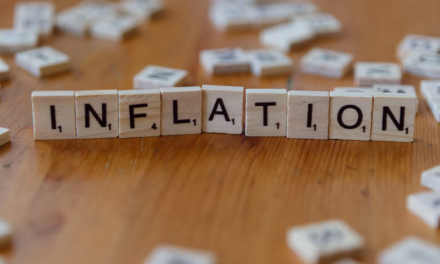

CHICAGO, Illinois, November 11, 2026 — American families are continuing to experience extreme budgetary problems due to the continuing high costs of groceries and residential housing. Food banks throughout the country have reported dramatic increases in demands from working families who cannot afford both their monthly rents and weekly nutritional needs. Researchers in economics are urging that there be targeted aid programs established to help reduce the financial strain that many low-income communities are experiencing on a national level. Agencies in social services are struggling to fulfill unprecedented numbers of requests for emergency financial aid. Low-income wage earners and retirees with fixed incomes are being impacted by inflationary pressures at a higher rate than other segments of society. Public housing authorities have stated that there are long wait-lists for subsidized rental units. Organizations within local communities are organizing grassroots fund raising campaigns to assist food pantries. For millions of working families, obtaining economic security continues to be an impossible dream.
Rising Rental and Mortgage Burdens
Housing is becoming unaffordable for many residents living in large cities; therefore, it has created financial instability for those who rent their homes. Analysts believe that the cost of housing is high because there is not enough housing available (supply shortage) and interest rates are high (elevated interest rate environment). First-time buyers have put off purchasing a home until they can save enough money to make a larger down payment on a future purchase. Landlords are increasing the amount of rent that tenants pay each year when the tenant’s lease comes up for renewal. Property taxes continue to increase, which adds additional overhead to the monthly cost of owning a home. Many municipalities are attempting to reform their zoning laws so that they can allow more types of housing to be built; however, these efforts have met with strong resistance from local residents. Task forces that focus on preventing homelessness have provided emergency funding to assist struggling renters. Although the real estate market is correcting itself, it is not providing any significant relief to individuals attempting to buy a home.
Grocery Price Inflation Effects
Food supply chain disruption and high cost of transportation can lead to increased prices at the grocery store checkout counter. Consumers are changing how they shop; many consumers now purchase store brand products and reduce their purchase of non-essential food items. Nutritionists are concerned that consumers who are experiencing financial hardship may be making poor choices about what foods to include in their diet. Grocery store chains are seeing a greater level of consumer price sensitivity to special sales or promotions. Farmers/Agricultural producers are facing higher costs for fertilizers and fuels which increases their overall operating expenses. Food rescue organizations work to provide excess perishable food products to people in need. Community nutrition education programs help families learn how to create healthy meals while staying within a budget. Health issues related to diet are reflecting the cumulative effect of ongoing food inflation.
Policy Responses and Community Aid
The local government has expanded its use of emergency rental assistance grants as a means of reducing the number of people who will be evicted from their homes. Volunteer-led non-profit organizations are distributing additional food supplies to those communities with high numbers of vulnerable residents. Legislators are debating proposals that would provide tax relief to low and moderate-income families in an effort to reduce the financial strain on these families due to the rising costs of living. City councils are voting on whether or not to implement inclusionary zoning mandates as a way of encouraging developers to build affordable housing. Philanthropic foundations are providing millions of dollars in funding for regional food security initiatives. State legislators are proposing targeted utility bill subsidies for low-income households. Advocacy groups in the community are lobbying aggressively for comprehensive economic policies. Public assistance programs are adapting creatively to maintain services despite budget cuts.