
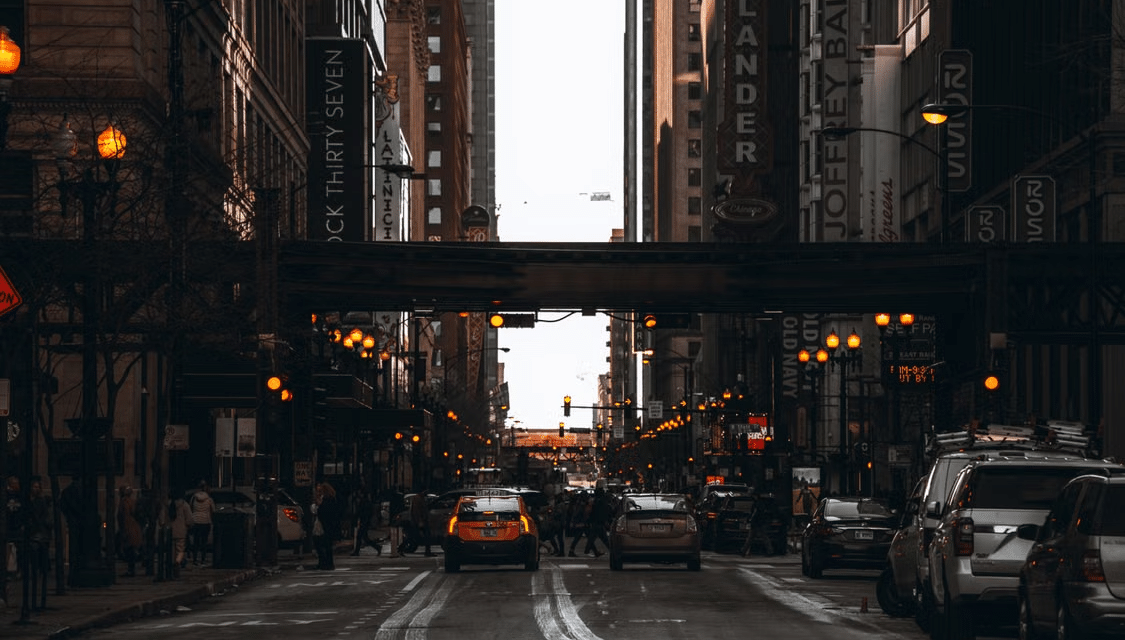
CHICAGO, Illinois, November 21, 2026 — Waymo began using autonomous vehicle technology to map out several neighborhoods in Chicago with its new fleet of camera-equipped mapping vehicles. This is the first step in a multi-stage plan for Waymo to launch its commercial robotaxi service in the Midwest’s largest city. It has already sparked a large amount of discussion among city leaders, labor groups, and those who promote better ways to move around cities.
Waymo’s engineering team stated that their first tests will use human safety drivers operating heavily-instrumented sports utility vehicles (SUVs) which are capable of recording high-definition 3D geometry, traffic signal patterns, pedestrian movement dynamics, and the unique weather conditions associated with Chicago’s urban grid. This rigorous mapping process is a necessary technical step for any autonomous, driverless testing to be authorized by state and municipal regulatory bodies.
The reaction to this statement was varied among the citizens who drive on the bumpy and busy roads of the Loop, West Loop, and North Side. Supporters of driverless transportation stated that it can potentially decrease the number of deaths caused by humans when driving; support better integration with micro-mobility; and offer more reliable and accessible transportation alternatives to residents in underserved areas.
On the other hand, the corporate technology invasion, whether the algorithm would be reliable in extreme winter storms, and if there will be job loss in the commercial transportation industry was of great concern to many community-based organizations, pedestrian safety groups and union organizations that represent drivers.
Legislative Hurdles and Municipal Regulatory Scrutiny
Waymo comes to Chicago as there is an ongoing dispute regarding the ability of the city of Chicago and other municipalities to regulate autonomous vehicles being tested on their streets. Currently, the state of Illinois requires that companies seeking to test autonomous vehicles obtain a permit from the state (specifically, from the Illinois Department of Transportation). As such, municipal governments do not have any direct veto power regarding where these vehicles are deployed on the city’s streets.
The aldermen of the city of Chicago, with leadership from those who serve as co-chairs of the transportation committee, have introduced new legislation requiring the licensing of all commercial robotaxi fleets that operate within the limits of the city. Additionally, the new legislation requires the real-time reporting of safety issues, the establishment of emergency response coordination protocols, and the collection of congestion mitigation fees at the local level for such fleets. Officials stated that Chicago presents a number of unique challenges due to its extreme weather conditions during the winter months, including but not limited to blind-out lake effect snow storms, black ice, and major street clearing efforts; therefore, the city needs to hold operators of such robotaxi fleets accountable.
Legislators at the state level were debating opposing pieces of legislation that were both designed to promote cutting-edge technological development, but on one hand was the economic need to foster innovation while on the other was the ultimate responsibility of municipalities to provide for the safety of pedestrians and drivers. Transit unions operating in municipal areas had strongly advocated for legislative protections that would require that there be a human safety operator on board each autonomous vehicle for an indefinite period of time.
Waymo government relations staff spent time lobbying in Springfield and City Hall; they made commitments to provide complete transparency, develop cooperative training for first responders, and strictly adhere to all city-enforced traffic regulations.
Winter Weather Testing and Engineering Realities
The most critical and unique problem that Waymo faces with respect to its Chicago engineering deployment is the ability to deal with the extremely cold winter weather conditions that typically shut down many major cities in the Midwest. One of the main reasons for this shutdown is due to the fact that autonomous vehicle sensors (LiDAR lasers, radar transceivers, and optical camera lenses) are severely affected by being covered with wet snow, road salt spray, and freezing slush.
Chicago is home to some of the most dangerous driving environments in the country. From its infamous potholed roads to poorly marked lanes and aggressive drivers, Chicago presents many challenges to the development of self-driving cars. In addition, the city’s complex parking regulations during the winter months create an additional barrier to the implementation of self-driving vehicles. While Waymo engineers have stated they believe in the ability of their self-driving vehicle to handle the difficulties of driving in Chicago, it is clear that self-driving vehicles must demonstrate that they are able to safely navigate through the harsh conditions of winter before being deployed as a means of public transportation.
The Future of Urban Mobility in Chicago
The Waymo mapping vehicles that are currently operating within Chicago’s well-known “grid” system provide a prime example of an urban center that is rapidly reaching a critical juncture in terms of its ability to integrate emerging technologies into its existing transportation infrastructure. The convergence of state-of-the-art AI technology with local government regulation and labor advocacy represents a significant opportunity to establish a nationally recognized model for how older, more traditional industrial-based communities can adopt and utilize autonomous vehicle technology.
Urban Planning Experts emphasize that AVs need to enhance, not replace Chicago’s top-notch public transit system; which includes both the CTA Rail and Bus Systems. It is essential to provide equitable access to transportation for South and West Side Communities and not focus solely upon serving wealthy business areas. This is a crucial requirement of all community groups.
In conclusion, Chicago’s acceptance of autonomous vehicles will be based on their unyielding focus on protecting the public, preserving the rights of workers, and providing democratic local government oversight. While the legislative wars are over and the first snowfall hits the Windy City, the autonomous future is officially moving onto our city streets.