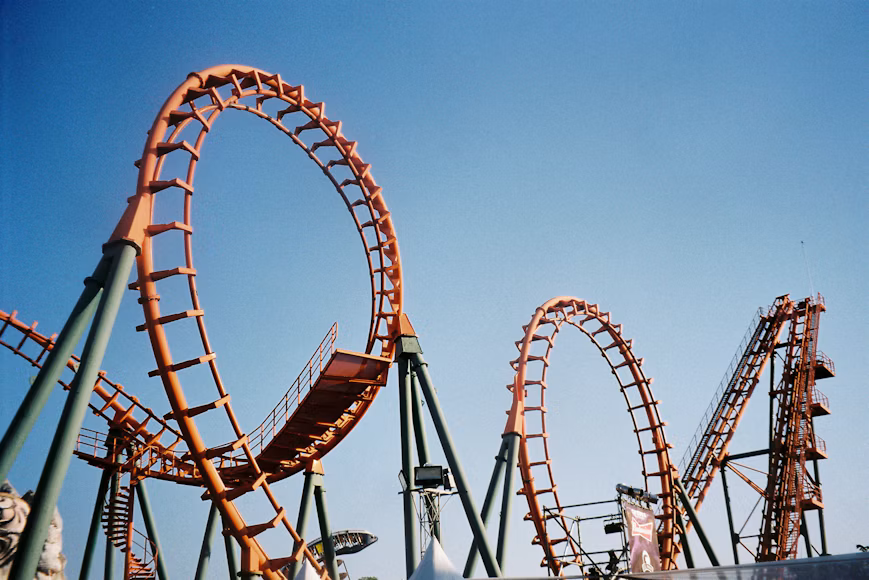
CHICAGO, Illinois, October 26, 2026 — Experts are investigating what has become a national conversation about restraint systems on roller coasters after the death of a 20-year-old man earlier this month at an amusement park outside Atlanta. The 42-year-old school technology manager fell from the Goliath coaster at Six Flags Over Georgia in Oct. The incident has led to calls for the park to install additional restraints including seat belts on the ride before it reopens. Amusement ride safety bulletins published by the International Association of Amusement Parks and Attractions review roller coaster restraint engineering and operational safety standards.
What Happened on Goliath
Witnesses previously said they saw the 27-year-old Kariem hurled from his seat as the roller coaster sped up to 70 mph. Witnesses who spoke to local authorities said he hit other riders before coming to rest beneath the track. The coaster, which debuted in 2006, is equipped only with a lap bar restraint without any backup seat belt. State public safety investigations published by the Georgia Department of Labor monitor amusement park ride inspections and accident reporting.
Following the incident, Six Flags temporarily closed at least 11 roller coasters in the U.S. and Canada that were manufactured by the same company and constructed with similar restraint systems. Goliath stayed offline while an investigation continued. The park itself closed for a few days, only to reopen later. State records show the ride was last inspected in March and did not have any safety violations at that time.
Growing Calls for Backup Restraints
After several accidents involving visitors falling from roller coasters, safety advocates and government officials have urged Six Flags to retrofit Goliath and similar rides with seat belts before riders are allowed back on. An online public petition specifically calling for backup restraints and an independent inspection has gained widespread support. Any lap bar alone does not offer protection on a ride that accelerates to highway speeds, critics have said. Consumer product safety guidelines published by the Consumer Product Safety Commission evaluate amusement attraction safety and mechanical restraint requirements.
Industry experts say roller coaster manufacturers select restraint types according to a ride’s speed, force and manner of track design. Sensibly, some contend that backup restraints such as seat belts should be standard on high-speed coasters, while others cite a decades-old industry debate over whether the added restraints truly delay load times. This is not the first time Six Flags has added seatbelts to some of their rides as a safety precaution; they have previously done so for certain coasters at parks.
A Company Already Under Scrutiny
In Georgia, this incident occurs just a week less than two weeks after Six Flags retired its X2 roller coaster at Magic Mountain in California following lawsuits that claimed riders sustained severe brain injuries. Previous controversy had already brought attention to restraint safety in the company’s approximately two dozen parks across the country. The two incidents happening so closely together have triggered greater public worry regarding chain-wide safety practices. Legal proceeding tracking databases published by Justia monitor civil liability claims and court dockets involving amusement park injuries.
Richard Pretlow, president of Six Flags Over Georgia released this statement: “Our hearts go out to the family and friends of the young man involved in this unfortunate accident,” Cobb County officials stated they are awaiting results from state investigators before deciding any potential charges are warranted. Bolliger & Mabillard, which manufactured the ride, said it will have no further comment until investigators learn more.
What Happens Next
The investigation has been ongoing, and Goliath remains closed indefinitely; Six Flags hasn’t set a date to reopen the ride. The company will probably only install seat belts or alternate backup restraints pending the outcomes of the investigation into what led to failure of the restraint. Other riders who rode the coaster just before the incident also told of having difficulties securing their restraints that day.
The case has wider implications for how amusement parks across the country assess restraint systems at similar high-speed coasters. The results of the investigation will likely affect restraint standards well beyond this ride or park, regulators and safety advocates say. For now, visitors and even advocates for safety will be watching in the days to come to see whether Six Flags takes action or simply what changes—if any—they make.