CHICAGO, Illinois, September 17, 2026 — House Republicans will bring out a bipartisan bill on the floor next week that seeks to fix a problem that is popping up with household electric bills around the country. Designed to halt the practice of passing data center power costs onto regular customers, Measure C is called the Ratepayer Protection Act. Voting will take place before the midterm elections in November, Speaker Mike Johnson’s office confirmed. Track federal legislative proposals through the U.S. House of Representatives.
The Role of Data Centers in Increased Bills
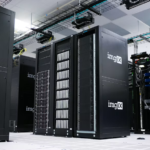
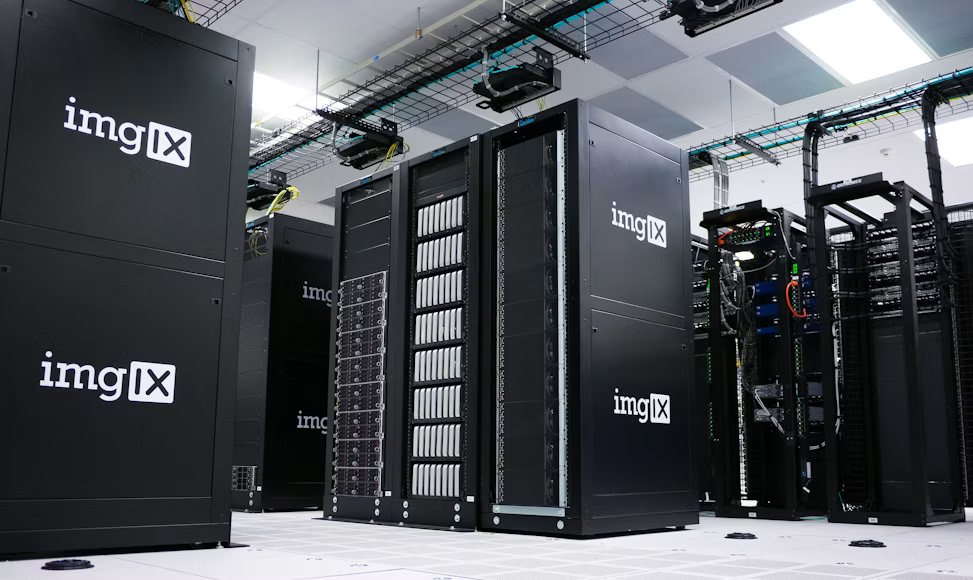
That trend, which has witnessed a frenzy of data center construction nationally since October 2023, is run on AI. Nationally over 4,000 facilities are now in operation, but together they make up more than half of last year’s new demand for electricity. Utilities added transmission infrastructure for that demand, often passing costs to residential customers.
Households paid $4.3 billion toward transmission, much of it related to data centers in thirteen states over the course of 2024, according to a study done by the Union of Concerned Scientists. That trend must not accelerate, and officials across the country are under pressure to stop it. With promises dating back to 2016, the underlying cost shift has made bipartisan lawmakers wary — on both sides of the aisle, lawmakers have rolled out competing proposals accordingly to address it this year.
What the Bill Is Really Going to Do
The Ratepayer Protection Act would require states to take into account standards requiring tech companies to pay for costs associated with their own large electricity loads. It expands on a “ratepayer protection pledge” proposed by the White House earlier this year, with several companies already supporting it. It would not eliminate data centers, but it would shift who pays for the power infrastructure they need.
A simultaneous bill, the Power for the People Act, would go even further and require the Federal Energy Regulatory Commission to implement parallel cost-shifting rules. The legislation would also establish a data center load queue for the more efficient management of grid connections for new facilities. Information about both bills, as well as corresponding regulatory filings, can be found in the public database of the Federal Energy Regulatory Commission.
State-Level Momentum Is Already Building
This spring Virginia became the first state to institute a direct tax on data center electrical usage. Delaware and Oklahoma are among other states that recently passed legislation (or in some cases, proposed legislation) to do the same for their ratepayers. That jigsaw of state efforts has piled more pressure on Congress to create a national policy to create some consistency in states.
They argue that a federal standard would ensure companies don’t simply pack up and head to states with softer restrictions. Others fear that federal standards might be too slow to respond to costs already hitting households this winter. Federal versus state power remained among the bill’s more controversial talking points as lawmakers prepared to vote next week.
What Happens If the Bill Becomes Law
The bill would then need to be approved by the Senate before it could reach the president’s desk, even if it passes in the House. Advocates say passing the bill was necessary to show that Congress is serious about rising residential costs for utilities and regulators. Critics respond that voluntary pledges by tech firms have not led to demonstrable benefits on the ground for consumers so far.
Rising household energy bills are still a burning issue in the run-up to November’s midterm elections, adding extra political weight to the legislation. Residential electricity prices have steadily increased as demand from data centers has risen, according to the U.S. Energy Information Administration (EIA). The U.S. Energy Information Administration residential rate data allows consumers to follow regional electricity price trends as they evolve.
Even if this particular measure becomes law, or if it gets blocked in the Senate, the strain on the electric grid is not going anywhere. Among other findings, data center construction remains brisk across a majority of the nation. For now, households are left watching Washington for hints on whether Congress can agree on who will pay the tab to fuel the AI boom.